Whispers of Ancient Pacts: The Domestic Symphony Between Humans and Their Animal Companions
Exploring the science of care, from evolutionary bonds to daily rituals, revealing how pet nurturing reflects a profound symbiosis of survival and emotional kinship.
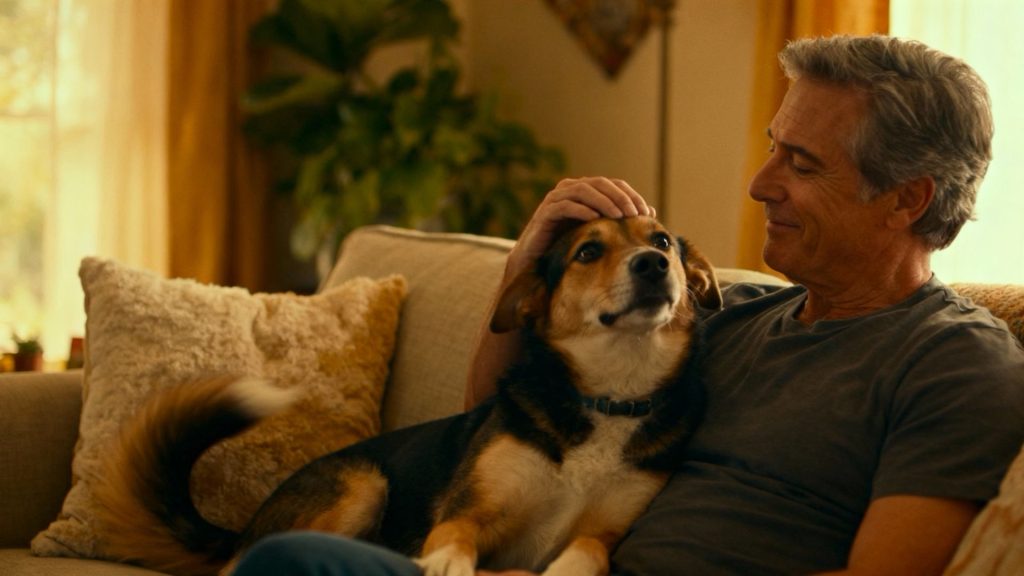
As dusk settles over a quiet homestead, the silhouette of a dog emerges by the doorway, its ears perked and tail gently swaying—a sentinel born of millennia, waiting in silent devotion. This first encounter, bathed in the soft glow of twilight, invites us into a world where wilderness whispers through domesticated veins, where the untamed spirit of ancestors like wolves and wildcats lingers in every loyal gaze. Here, in the intimacy of shared spaces, we witness not just an animal, but a living bridge to our primal selves, a testament to nature’s enduring dialogue with humanity.
In the furnace of evolutionary forces, the domestication of dogs and cats unfolded as a masterstroke of mutual survival. Genetic studies reveal how selective pressures sculpted their physiology—dogs’ enhanced olfactory senses, capable of detecting scents at parts per trillion, became tools for hunting alongside early humans, while cats’ retractable claws and nocturnal vision evolved for pest control in agrarian settlements. This transformation, spanning over 15,000 years, illustrates a dance of adaptation: where natural selection forged alliances, turning predators into protectors, and hunters into healers of human solitude. Such adaptations are etched in their DNA, a silent chronicle of co-evolution that reshaped both species’ destinies.
Daily rituals of pet care unfold as a poetic survival strategy—mornings begin with measured bowls of nutritionally balanced kibble, tailored to species-specific needs like feline taurine requirements or canine joint health. Walks through suburban parks become exercises in environmental enrichment, where scent trails and play mimic ancestral foraging, reducing stress and preventing behavioral disorders. Training sessions, grounded in positive reinforcement science, weave bonds of trust, transforming instinctive barks or purrs into a language of communication. These acts, far from mundane, are survival scripts written in the language of nurture, sustaining vitality in urban jungles as once in wild dens.
The continuity of life echoes in reproductive cycles—queens deliver litters in secluded nests, embodying innate maternal instincts refined over generations, while stud dogs exhibit pack-inherited courtship displays. Parental care, from grooming to teaching hunting simulations through play, ensures offspring thrive, a cycle underpinned by hormonal rhythms like oxytocin surges that strengthen familial ties. In multi-pet households, social hierarchies emerge, reflecting evolutionary roots in cooperative hunting or territorial defense, yet adapted to modern cohabitation. This tapestry of birth and bonding speaks to a resilient legacy, where life’s persistence defies domestication’s soft constraints.
Beyond companionship, pets serve as ecological keystones in human ecosystems—therapy dogs alleviate anxiety with measurable cortisol reductions, aiding mental health, while cats control rodent populations, preventing disease spread. Their presence enhances biodiversity awareness, fostering conservation mindsets in urban dwellers. As indicator species, shifts in pet health mirror environmental toxins, from air pollutants to household chemicals, urging proactive stewardship. This role elevates them from mere inhabitants to architects of human well-being, their paws imprinting silent lessons on interconnectedness.
Yet shadows loom—overpopulation from uncontrolled breeding strains shelters, leading to euthanasia; abandonment rises with economic downturns, exposing pets to disease and predation. Conservation efforts, like spay-neuter campaigns and adoption drives spearheaded by organizations documented in news reports, offer rays of hope, reducing stray populations and promoting welfare laws. Scientific advances, such as vaccines and genetic screenings, fortify against threats like parvovirus or hereditary disorders, charting a path toward sustainable coexistence where vigilance combats vulnerability.
In this eternal conversation, pets embody nature’s paradox—fierce independence intertwined with profound dependence, wild hearts beating in domestic rhythms. Their care teaches us humility, echoing the delicate balance of ecosystems we steward. As we nurture them, we rediscover our place in the web of life, where every act of kindness reverberates with the ancient pact: to honor the wild within, and in doing so, safeguard the future of all beings.