Echoes of Wilderness in Human Hearth: The Canine Odyssey from Feral Shadows to Domestic Guardians
Millennia of co-evolution forged an unbreakable alliance, transforming apex predators into devoted companions whose survival poetry now dances between primal instincts and modern sanctuary.
Imagine the vast Mongolian steppe at dawn, where a solitary wolf moves with liquid grace through golden grasses, its amber eyes piercing the horizon—a sentinel of untamed freedom. Centuries melt away as this image dissolves into a suburban garden, where a German Shepherd stands sentry, its posture echoing ancestral vigilance, yet softened by millennia of shared existence with humanity. This duality, the wild core sheathed in domestic trust, embodies the dog’s profound odyssey, inviting us into a realm where biology and bond intertwine.
Natural selection sculpted Canis lupus familiaris through countless generations, favoring genetic mutations that enhanced sociability and emotional intelligence. Wolves drawn to early human camps inherited traits like reduced cortisol response, enabling calm coexistence; selective pressures amplified these, crafting variations in size, coat, and cognitive abilities. From the streamlined Saluki of desert lore to the robust St. Bernard of alpine rescues, each breed epitomizes evolution’s artistry, a testament to how environmental challenges—from scavenging in Neolithic settlements to guarding medieval homesteads—reshaped anatomy and behavior into living masterpieces of adaptation.
Survival strategies honed on savannas persist in modern rhythm: the stalking crouch in play, the keen nose tracking scents across backyards, or the communal howl that once united packs now released in joyful barks. Daily life unfolds as a ballet of instinct—feeding routines recalling scavenger ancestors, territorial patrols mirroring wild homelands, and problem-solving puzzles that unveil dormant intellect. Even in rest, curled by a hearth, dreams flutter with pursuits of phantom prey, a silent ode to the hunter’s legacy tempered by domestication’s embrace.
Reproduction and kinship weave intricate social tapestries; females birth litters in sheltered dens, nurturing pups with instinctive devotion, while males navigate hierarchies that resonate with ancestral pack dynamics. Parental bonds extend seamlessly to human families, creating surrogate networks where loyalty transcends species—a Labrador teaching its young to retrieve, or a Collie safeguarding children, all echoing the cooperative spirit that once ensured survival on windswept plains.
Ecologically, dogs emerged as keystone species in human ecosystems: as therapy animals alleviating anxiety, detection canines safeguarding public health, or herders managing landscapes, they engineer emotional and practical equilibriums. Their presence stabilizes human communities, much like wolves regulate prey in wilderness, demonstrating how this ancient alliance reshapes habitats, proving that interdependence is nature’s oldest symphony.
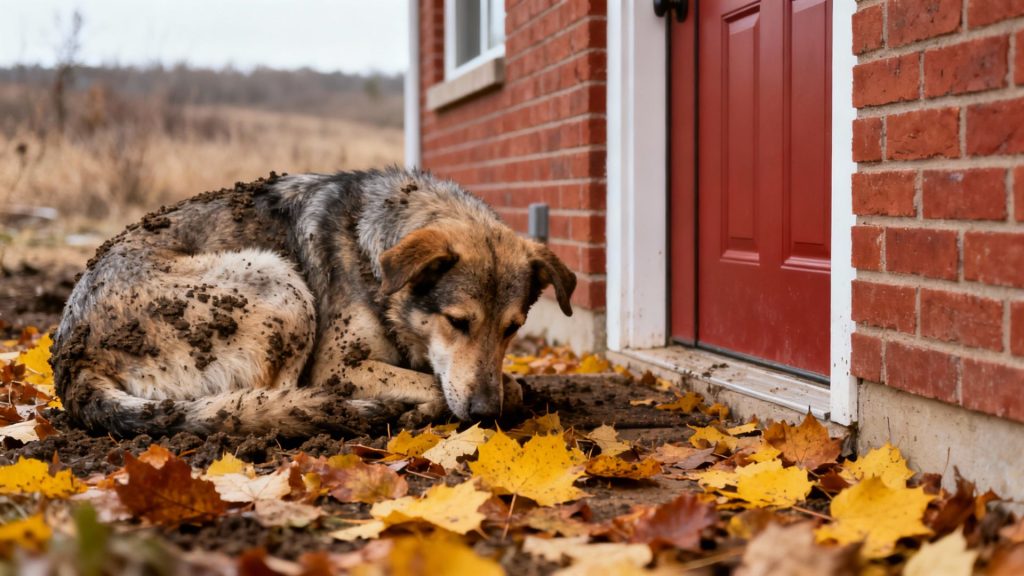
Modern threats shadow this idyll: abandonment surges in overcrowded shelters, genetic disorders ravage inbred lines, and diseases like canine distemper claim lives despite vaccination advances. Yet conservation sparks hope through global rescue networks and adoption drives, transforming twilight despair into dawn’s resilience, where responsible ownership becomes a vow to honor their evolutionary journey.
In their gaze, we glimpse the eternal dialogue—a reminder of nature’s resilience and life’s adaptability. Dogs teach us that wildness and domestication need not war; rather, they coexist in a delicate harmony, urging us to cherish all life as sacred, and to walk alongside our companions as equals in this shared, ever-evolving world.