Echoes of the Wilderness: The Dog’s Journey from Savage Predator to Loyal Guardian of Humanity
Unraveling the genetic tapestry that binds Canis lupus familiaris to Homo sapiens, an evolutionary alliance forged over millennia, transforming raw instinct into devotion and redefining interspecies kinship.
Imagine standing on the edge of an ancient grassland as dusk descends, where the silhouette of a canine emerges—a creature whose presence whispers of primal wildness yet radiates an inexplicable familiarity. Its body, a symphony of coiled muscle and alert senses, moves with a grace born of survival in untamed realms. The rustle of wind through tall grasses becomes the soundtrack to this first encounter, evoking a landscape where predator meets protector, where the wild is not vanquished but harmonized. This moment, frozen in amber light, bridges epochs, drawing us into the heart of a relationship etched in the very bedrock of evolution.
Within the dog’s genome lies the blade of adaptation, honed through natural selection. Consider the AMY2B gene, duplicated over millennia, enabling the digestion of starchy foods—a direct response to shared firesides where early humans offered scraps. This genetic shift, alongside heightened olfactory senses detecting pheromones at parts per trillion, transformed the wolf into a companion. Oxytocin pathways, mirroring those in humans, kindled mutual trust; a bond forged not by dominance but by shared vulnerability, sculpted by the relentless pressure of coexistence into a biological masterpiece of interspecies synergy.
Daily existence for the dog unfolds as a survival symphony, where instincts linger beneath domestic calm. A greyhound streaks across open fields, channeling ancient pursuits with bursts of speed reaching 45 miles per hour, yet returns to curl beside hearths in docile repose. Foraging behaviors manifest in scent-tracking games, revealing a mind wired to map environments through smell. Even in play, the shake of a toy echoes the dispatch of prey, demonstrating how millennia-old strategies persist as instinctive choreography within modern homes, a testament to resilience etched in every movement.
Reproductive bonds weave complex social tapestries, where lifelong matings and communal care prevail. Mothers nurture litters with unwavering dedication, teaching pups through gentle nips—behaviors rooted in wolf-pack hierarchies that foster cooperation. These familial structures, devoid of rigid dominance, highlight adaptive intelligence: offspring learn through observation, strengthening neural pathways essential for roles as service animals. This nurturing cycle perpetuates genetic legacies, turning vulnerability in infancy into strength, embodying the evolutionary wisdom that cements bonds across generations.
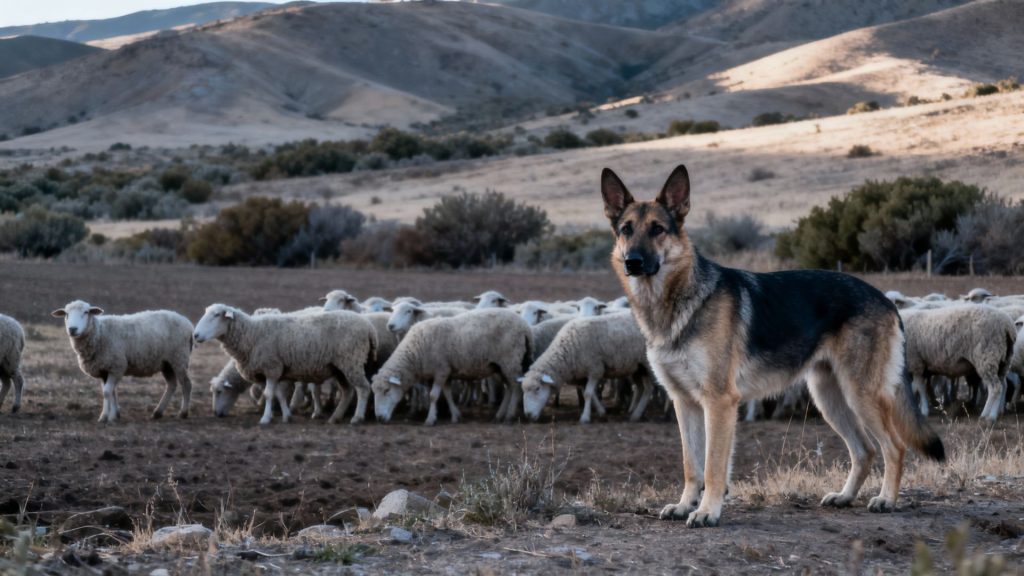
As ecological keystones, dogs reshape human habitats from silent sentinels to active agents. They serve as bio-detectors in disaster zones, leveraging their olfactory prowess to locate survivors, or as herders managing livestock in pastoral ecosystems. Their presence regulates rodent populations naturally, preserving ecological balance without human intervention. In urban landscapes, they become indicators of community health, their welfare reflecting societal values. This role transcends utility, anchoring them as vital threads in the fabric of human ecology where mutual benefit defines coexistence.
Threats loom, however: abandonment surges with urbanization, leading to overpopulation and genetic disorders in purebreds like hip dysplasia. Habitat loss from expanding cities fragments their existence, yet conservation triumphs through global initiatives like sterilizations, fostering sustainable populations. Awareness campaigns shift human attitudes, transforming neglect into sanctuary, proving that their survival hinges on ethical cohabitation rather than isolation from challenges.
In this dance of existence, dogs embody eternal dialogues between wild and tame, vulnerability and strength. Their journey teaches that trust transcends species, a symbiotic hymn to resilience. We glimpse our reflections in their eyes—reminders of shared evolution’s beauty, where the wild still breathes in every loyal glance, inviting us to honor the fragile, profound ties that bind all life in awe.