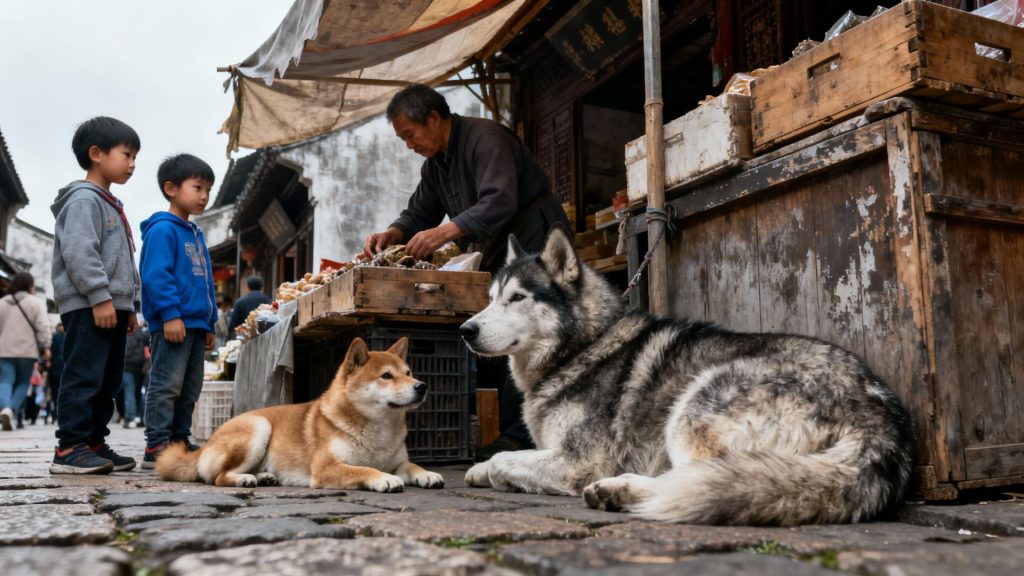
Whispers from Ancient Packs: The Canine Legacy Unfolding in Human Hearts
From wolf to household guardian, dogs embody nature’s resilience and coevolution, shaping ecosystems and societies with unwavering loyalty, now confronting silent threats that echo through urban landscapes.
Imagine a golden retriever sprinting across a dew-kissed meadow at dawn, sunlight glinting off its fur as it pauses, head tilted in curiosity—a fleeting moment where the wild spirit of its ancestors mingles with domesticated grace. This first encounter captures the essence of canines: creatures of paradox, forever suspended between primeval instincts and the warmth of a hearth. In this scene, the air hums with the unspoken language of scent and sound, a sensory tapestry that draws us into their world, evoking memories of childhood pets and shared adventures that bind species across millennia.
Millions of years of evolution forged dogs into master adaptors, their journey beginning with grey wolves drawn to human campsites by scavenging opportunities. Natural selection sculpted key traits like heightened social cognition and olfactory prowess, enabling them to interpret human gestures with uncanny precision—a genetic legacy tested in studies showing dogs respond to pointing as effectively as toddlers. This adaptation transformed them into symbiotic partners, their physiology now tuned for digesting starch-rich diets left by early agriculturalists, a testament to how survival pressures reshaped wolves into the diverse breeds we know today.
Daily survival unfolds as a ballet of instinct and learned behavior: dogs display remnant predatory sequences in play, such as stalking toys in a manner mirroring ancestral hunts, while their keen noses detect crumbs in kitchens or trail scents on walks. This behavioral repertoire serves as a survival toolkit, refined through domestication to include alert barking that warns of intruders and cooperative foraging with humans, illustrating how innate drives persist amid modern comforts, ensuring their place in our routines.
Reproduction and social bonds reveal profound life wisdom, with females giving birth to litters of four to six pups after a two-month gestation, guided by hormonal cues for nest-building and protective nurturing. Parental care extends to pack-like hierarchies in multi-dog households, where dominant individuals guide others through play and grooming, fostering cohesion that echoes ancestral wolf societies. These intricate social networks underscore the species’ evolutionary success, ensuring generations thrive through communal support.
As ecosystem engineers, dogs wield influence beyond companionship: they reduce pest populations by hunting rodents in gardens and serve as emotional stabilizers, lowering human stress in therapeutic settings. Their roles as guide animals or search-and-rescue partners highlight mutualistic symbiosis, where their abilities enhance human resilience, creating micro-ecosystems within homes that ripple into broader societal well-being, anchoring them as keystone species in anthropogenic environments.
Modern challenges cast shadows over this legacy, from genetic diseases like hip dysplasia exacerbated by selective breeding to abandonment in overcrowded shelters. Conservation efforts, documented by organizations like the World Wildlife Fund in joint initiatives, focus on vaccination campaigns and anti-cruelty laws, fostering hope as public awareness grows, reminding us that safeguarding their future hinges on ethical stewardship.
In the canine saga, we find mirrors to our own existence: their resilience amidst change teaches lessons in adaptability and interconnectedness, urging us to honor the delicate balance of life. As silent partners in our journey, dogs embody the enduring dialogue between nature and nurture, inviting reflection on stewardship and the timeless quest for harmony.